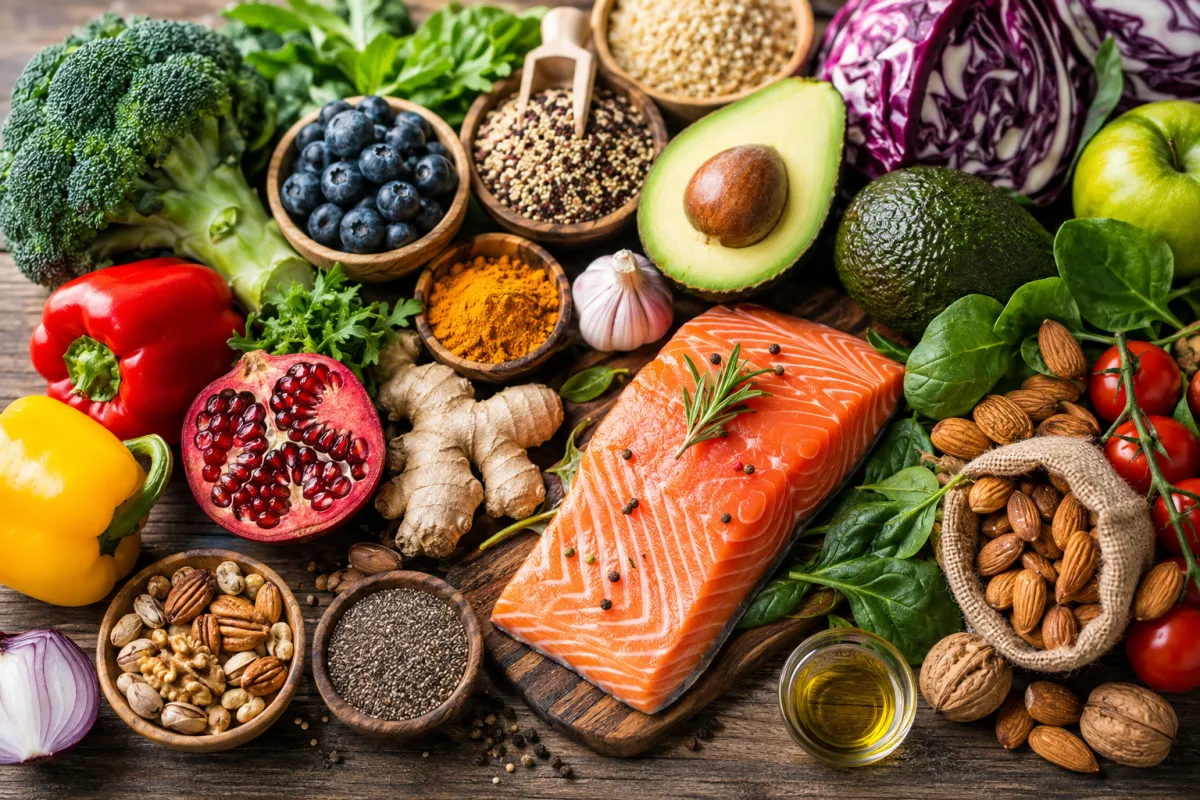
Anti Inflamatory Diet
The Anti-Inflammatory Diet: Eating for Whole-Body Healing
At Harter Dental, we say it every day: we fix the cause, not just the symptom. And one of the most common causes hiding behind chronic pain — including jaw pain, TMJ discomfort, and headaches — is inflammation. The more inflammation in your body, the more pain you feel. Lower the inflammation, and the body finally has room to heal.
That's why nutrition is part of how we care for the whole person, not just your teeth. The anti-inflammatory way of eating below is the same guide we share with our own patients — and it's gentle enough to be good for the entire family.

The Big Idea: Eat Clean, Eat Color
Keep food as natural and unprocessed as possible. Step away from packaged, canned, and processed foods, and be cautious with "white foods" — white sugar, white flour, pasta, bread, milk, and white potatoes.
Build most of your plate from fresh fruits and vegetables — and the more color, the better: spinach, kale, red chard, romaine, broccoli, cauliflower, asparagus, Brussels sprouts, arugula, cabbage, raw carrots, berries of every kind, cherries, plums, peaches, and apples. Paler produce like melon, celery, and cucumber is fine, just less nutrient-dense. And remember: sugar is one of the most inflammatory things you can eat — it promotes weight gain and works against your immune system.
What We Recommend Removing
In our protocol, these are the biggest inflammation drivers to take off your plate:
Gluten — wheat, rye, and barley, found in most breads, pastas, and refined-flour products. In our experience, this is the single most important thing to eliminate.
Grains — corn, rice, oats, quinoa, and similar grains contain lectins, phytates, and oxalates that can irritate the digestive tract. Ground flax seed is the exception — it's welcome.
Dairy — milk, cheese, yogurt, and sour cream can drive inflammation, mucus production, and sensitivity. Nut and coconut milks in small amounts are fine; butter gets a pass.
Refined sugar — highly acidic, slows your body's natural detoxification, and can intensify muscle and joint pain.
Nightshades — tomatoes, peppers, white potatoes, eggplant, and paprika contain compounds that can irritate the gut and contribute to pain for many people. Yams and sweet potatoes make a wonderful potato substitute.
Processed meats — cold cuts, bacon, hot dogs, sausage, and canned meats.
Alcohol, caffeine & sodas — a healthy liver is fundamental to lowering inflammation, and these are all hard on it.
Industrial seed oils & margarine — swap them for cold-pressed virgin olive oil. Our favorite salad dressing is simply olive oil and apple cider vinegar.

What's a Lectin — and Why Do We Keep Mentioning It?
Lectins are natural proteins that plants concentrate in their skins and seeds as a built-in defense system. Our bodies can't digest them; in sensitive people they can bind to the lining of the digestive tract and cause distress. Beans, peanuts, lentils, tomatoes, potatoes, eggplant, and most grains are the biggest sources.
If you do cook with higher-lectin foods, three habits help:
Soak. Dried beans need hours of soaking followed by a thorough boil to deactivate lectins.
Pressure-cook. A pressure cooker does a good job on certain vegetables and legumes — though it won't touch the lectins in wheat, rye, or barley, which is why we skip those entirely.
Peel and de-seed. With cucumbers, eggplant, and squash, the peel and seeds are where the lectins live.
Your Quick "Enjoy vs. Skip" Guide
Beverages — Enjoy: filtered or mineral water, seltzer, caffeine-free herbal teas. Skip: coffee, black tea, alcohol, sodas, and sugary fruit drinks.
Fruits & Vegetables — Enjoy: fresh or frozen, raw, lightly steamed, baked, or roasted — the more color the better; yams and sweet potatoes instead of white potatoes. Skip: fruit juices, dried fruit, corn, creamed vegetables, and nightshades.
Starches & Legumes — Enjoy: ground flax seed. Skip: breads, pastas, rice, oats, quinoa, and all beans, lentils, soy, and peanuts.
Nuts & Seeds — Enjoy: pumpkin and sunflower seeds, walnuts, almonds, pecans, sesame — chopped over meals or as nut butter. Skip: pistachios, peanuts, and peanut butter.
Protein — Enjoy: omega-3-rich fish (wild salmon, trout, sardines, mackerel) steamed, broiled, poached, or baked; organic free-range eggs; grass-fed or free-range meats and poultry. Skip: conventional beef, canned meats, cold cuts, bacon, sausage.
Oils & Sweeteners — Enjoy: cold-pressed virgin olive oil; xylitol, stevia, blackstrap molasses, pure maple syrup, a little honey. Skip: canola and other seed oils, margarine, mayonnaise — and all artificial sweeteners, corn syrup, and refined sugars.
Spices — Enjoy: most spices — especially turmeric and ginger, two of nature's best anti-inflammatories. Skip: soy sauce, ketchup, mustard, barbecue sauce, relish, cayenne, and paprika.

A Note on Supplements
Alongside this way of eating, Dr. Harter's protocol typically includes a quality multivitamin, antioxidants (vitamins C and E or bioflavonoids), omega-3 fish oil, a good probiotic, vitamin D3, and alkalinizing salts. Because the right amounts differ from person to person, we'll walk you through exact dosing at your visit — don't guess.
Where Healing Starts
Chronic pain rarely has just one cause — but inflammation is almost always part of the story. Pair this way of eating with care that looks at your whole picture — teeth, TMJ, sleep, and airway — and you give your body its best chance to truly heal.
Have questions, or dealing with jaw pain, headaches, or poor sleep that nobody's been able to explain? Call Harter Dental and schedule a comprehensive evaluation. You'll be heard, you'll get real answers, and you'll leave understanding exactly what's going on.
This article reflects the nutritional approach we use at Harter Dental and is shared for education — it isn't a substitute for personalized medical advice. Talk with Dr. Harter or your physician before making major dietary changes, especially if you have a medical condition or take medication.
